

Sobre nosotros
- Proyecto Humboldt
-
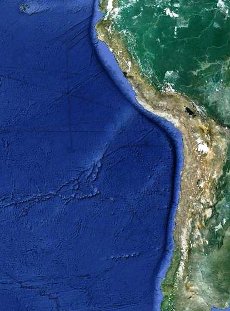
La Corriente de Humboldt alimenta uno de los Grandes Ecosistemas Marinos (GEM) más productivos del mundo, que representa aproximadamente el 18-20% de la pesca mundial, albergando una biodiversidad de importancia global, lo que lo ha llevado a ser nominado como una de las 200 ecoregiones prioritarias de conservación a nivel global por el Fondo Mundial para la Naturaleza (WWF). La alta variabilidad ambiental del GEMCH (Gran Ecosistema Marino de la Corriente de Humboldt) tiene importantes impactos sobre la productividad del ecosistema y su estructura trófica. Adicionalmente, una variedad de actividades antropogénicas ejercen presión sobre este ecosistema único. Para lograr la capacidad de recuperación a largo plazo de este ecosistema, los países de Perú y Chile proponen avanzar hacia una gestión ecosistémica del GEMCH mediante:
1. Formulación de un marco de planificación estratégico a largo plazo para identificar y priorizar las acciones necesarias para conservar y mantener los bienes y servicios ecosistémicos que brinda el GEMCH mediante la aprobación de un Plan de Acción Estratégico (PAE) que incluya un plan para un sistema de Áreas Marinas Protegidas (AMPs) del GEMC .
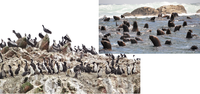
2. Implementación de un número de intervenciones in-situ (pilotos) que validen los enfoques diferenciados de gestión y las respuestas objetivo
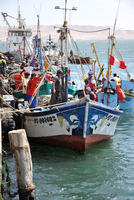
3. Intervenciones Prioritarias para la gestión multidisciplinaria eficaz del GEMCH mediante el desarrollo de experiencias coordinadas de colaboración en la gestión de pesquerías, herramientas de gestión, legislación de AMP específicas y estrategias comunes de gestión de AMP para adaptar las lecciones de los pilotos
4. Relacionar instrumentos estratégicos desarrollados en el Resultado 1 y las herramientas para adaptar y avanzar las intervenciones prioritarias del Resultado 3 mediante el fortalecimiento de capacidades para implementar los marcos de planificación estratégica tanto en el sector público como privado, incluso mediante el avance de mecanismos basados en el mercado.
Por favor visita este sitio:
- Concepto MEE
-
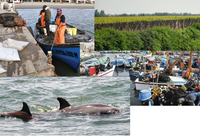
Manejo con enfoque Ecosistémico (MEE) es un termino utilizado para describir un manejo equilibrado de los recursos y al mismo tiempo tomar en consideración el entorno del ecosistema. No existe una sola definición sobre MEE, pero esta definición es ampliamente aceptada: ..." manejo ecosistémico es un conocimiento científico integrado de las relaciones ecológicas en un complejo contexto sociopolítico y estructura de valores que apuntan al objetivo de proteger la integridad del ecosistema en el largo plazo"
* Grumbine, RE "¿Qué es la gestión de los ecosistemas?" Biología de la Conservación ocho (1994): pp 27-38